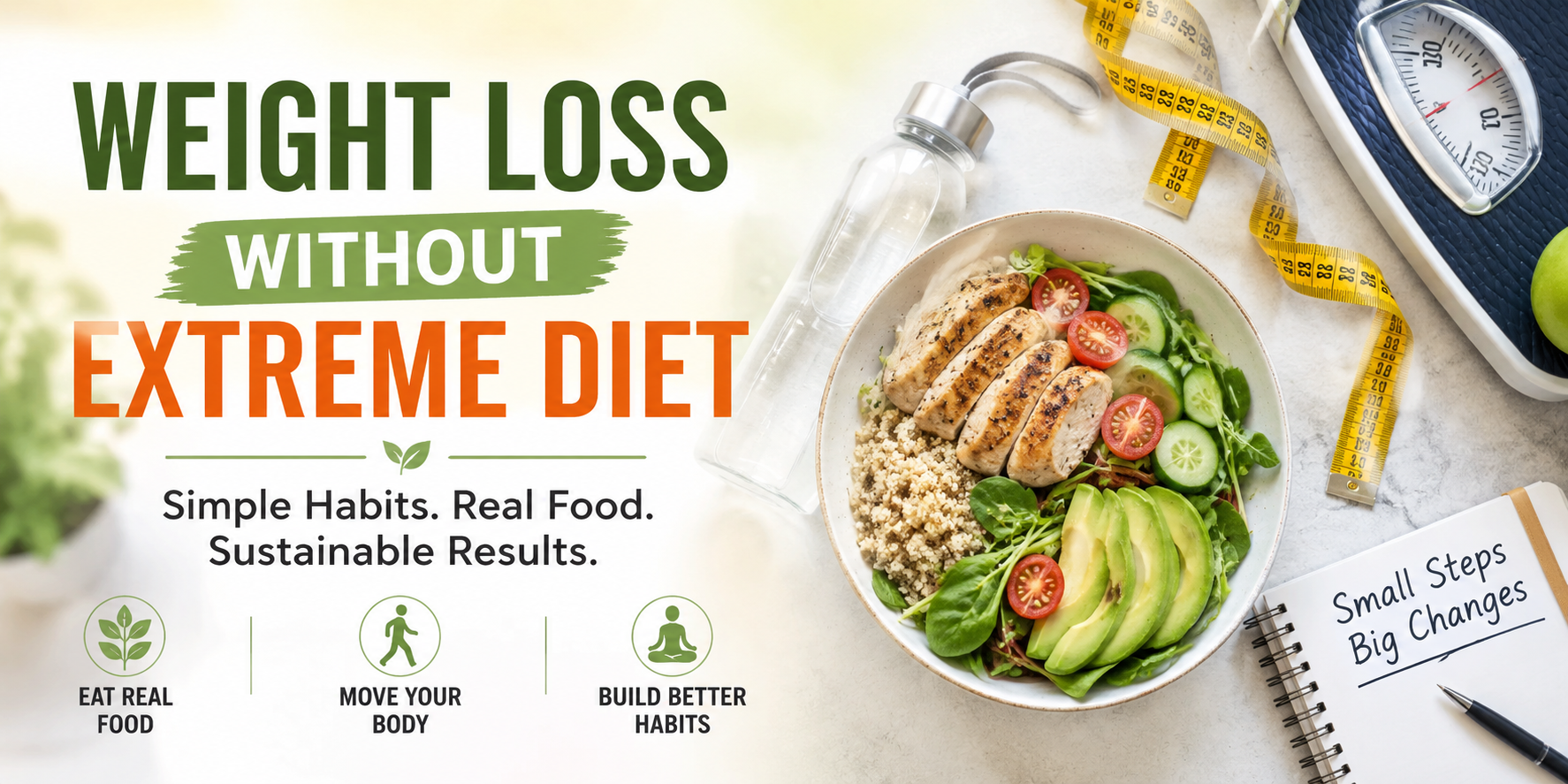
Weight Loss Without Extreme Diets: Simple Habits That Actually Last
Weight Loss Without Extreme Diets: Simple Habits That Actually Last
A few years ago, I thought weight loss without extreme diets was almost impossible. In my mind, losing weight meant living in a constant state of hunger, saying no to every food I enjoyed, and forcing myself to follow a routine that did not fit my real life.
I tried the “clean eating” phase where I removed almost every food I liked. I tried skipping dinner for weeks. I downloaded calorie-counting apps and became obsessed with hitting perfect numbers every day. At one point, I even convinced myself that plain boiled chicken and salad was the only way to make progress.
It worked for a little while.
Then life happened.
A stressful work week turned into late-night takeout. One “cheat meal” became an entire weekend of overeating because I felt like I had already failed. The stricter I became, the harder it was to stay consistent.
That cycle went on longer than I would like to admit. What surprised me later was this: I finally started losing weight when I stopped trying to diet aggressively. Not through a magic supplement. Not through detox teas. Not by cutting carbs forever. Just by making realistic changes that I could actually continue, even on busy days.
And honestly, that changed everything.
Why Extreme Diets Usually Fail
Most extreme diets look good in the beginning because they create fast results. You suddenly cut hundreds of calories. You lose water weight quickly. Clothes may fit differently within a week or two. That early excitement feels motivating.
But the part people do not talk about enough is what happens after the first month.
You start thinking about food constantly. Your energy crashes in the afternoon. Workouts feel harder. Social events become stressful because you cannot eat normally. Eventually, the diet becomes mentally exhausting.
I learned this the hard way after trying a very low-carb diet while working long hours at a desk job. For the first two weeks, I felt disciplined and focused. By week four, I was irritated all the time and craving everything from toast to chocolate.
One Friday night, I ordered a burger, fries, and dessert because I was so mentally drained from “being good” all month.
That was when it clicked for me: if a plan makes normal life impossible, it probably will not last.
Extreme diets often fail because they are built around restriction instead of routine. They may help you lose weight quickly, but they do not always teach you how to eat during stressful weeks, family dinners, holidays, workdays, or moments when motivation disappears.
For long-term weight loss, the plan has to work in real life.
What Actually Helped Me Lose Weight Without Extreme Diets
The biggest shift happened when I stopped asking:
“How fast can I lose weight?”
And started asking:
“What habits can I realistically keep for the next year?”
That one question changed my entire approach. Instead of trying to fix everything overnight, I focused on smaller habits that felt manageable. The progress was slower at first, but it was much easier to maintain.
Here are the simple changes that helped me the most.
1. I Stopped Drinking Calories Without Realizing It
This sounds obvious now, but I genuinely underestimated how many calories I was drinking every day.
Sweet coffee drinks, fruit juice, energy drinks, and random sodas during work added up quickly. The problem was that drinks never made me feel as full as actual food, so I was consuming extra calories without really noticing.
I did not completely ban them because that never works for me. Instead, I made easier swaps.
I changed sugary iced coffees to regular coffee with milk. Sparkling water replaced soda most days. I kept juice for weekends instead of having it with daily meals.
That alone made a noticeable difference within a month.
The interesting part was that I never felt deprived because I was still eating normal meals. I did not feel like I was on a strict diet. I simply removed a habit that was not helping me.
For anyone trying to lose weight without extreme dieting, checking your drinks is one of the easiest places to start.
2. I Started Eating More Protein Without Obsessing Over Macros
For a long time, I thought weight loss meant eating tiny portions. The problem was that I would feel hungry again an hour later. That hunger usually led to snacking, cravings, and overeating at night.
Adding more protein helped me stay full much longer without constantly thinking about food.
I did not become obsessed with measuring every gram. I just made simple changes:
- Eggs or Greek yogurt for breakfast
- Chicken, fish, lentils, tofu, or beans with lunch
- Protein-rich snacks instead of pastries all the time
- Simple homemade meals with protein, vegetables, and carbs
One of the easiest habits I built was preparing simple protein-focused lunches before workdays. Nothing fancy. Sometimes it was just rice, grilled chicken, vegetables, and sauce.
It was not “diet food.” It was just satisfying food.
And when you are less hungry, you naturally snack less.
Protein also helped me avoid the common mistake of eating too little during the day and then overeating at night. Once my meals became more filling, my cravings became easier to manage.
3. Walking Helped More Than I Expected
I used to think exercise only counted if it was intense. If I was not drenched in sweat after a brutal workout, I assumed it did not matter.
That mindset stopped me from being active consistently.
What actually helped was walking more, especially after meals. I started taking 10 to 15 minute walks after lunch or dinner instead of immediately sitting back down. At first, it felt too simple to matter.
But over time, I noticed a real difference.
My energy improved. Digestion felt better. I snacked less at night. My daily movement increased without stress.
Some days I listened to podcasts. Other days I walked without my phone just to clear my head.
Eventually, I started using a smartwatch to track steps. Not because I wanted to obsess over numbers, but because it reminded me how inactive desk-job days could become.
Seeing 2,000 steps at 7 p.m. was sometimes the reality check I needed.
Walking became one of the most realistic weight loss habits for me because it did not require a gym, special equipment, or a perfect schedule. It was simple, free, and easy to repeat.
4. I Stopped Labeling Foods as Good or Bad
This one took time.
When I used to diet aggressively, eating one cookie felt like failure. That mindset often led to overeating because I would think:
“Well, I already ruined the day anyway.”
Now I approach food differently. Nothing is completely forbidden. If I want pizza, I eat pizza. I just do not turn one meal into an entire weekend of overeating.
Ironically, once foods stopped feeling “illegal,” I craved them less.
Extreme restriction creates obsession for many people. Flexibility creates balance.
This does not mean I eat anything I want all the time. It simply means I stopped treating normal foods like a personal failure. That made weight loss feel less stressful and more sustainable.
A healthy lifestyle should still leave room for real life. Birthdays, dinners out, family meals, and dessert can all fit into a balanced routine.
5. Sleep Was Quietly Affecting Everything
I ignored sleep for years. I thought weight loss was only about calories and workouts.
But when my sleep schedule was terrible, everything else became harder.
I had more cravings. I had less motivation to exercise. I snacked more at night. My hunger felt harder to control. Even simple healthy choices felt like a battle.
Once I started sleeping more consistently, my routine became easier. Not perfect sleep. Just better sleep.
That mattered more than I expected.
Better sleep helped me feel more in control during the day. I had more energy for walking, cooking, and making balanced food choices. I was also less likely to search for sugar or caffeine just to survive the afternoon.
For me, sleep was not a small detail. It was one of the habits that made everything else easier.
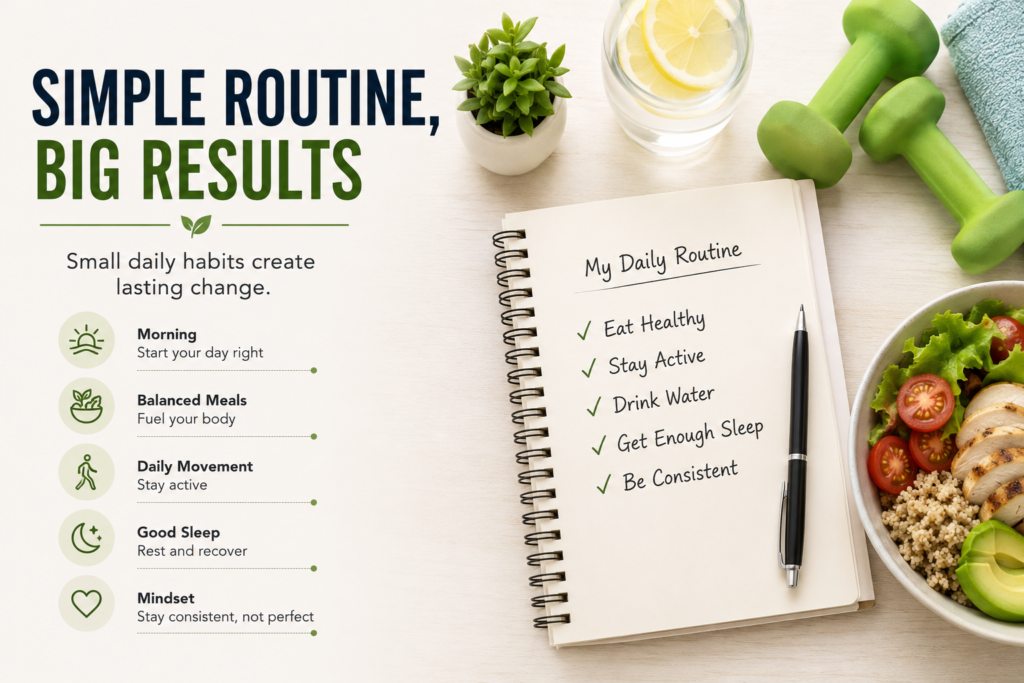
The Simple Weight Loss Routine That Finally Felt Sustainable
Here is what a realistic day eventually looked like for me.
Not perfect. Not “fitness influencer” strict. Just manageable.
Morning
I usually started with coffee and something simple like eggs or yogurt. If I had time, I added a short walk or light stretching.
I stopped trying to make mornings complicated because I knew I would not stick to that. A simple breakfast with protein worked better than a perfect breakfast that I only followed for three days.
Lunch
Lunch became one of the most important meals for me. If I skipped it or ate something too light, I usually paid for it later with cravings.
A balanced lunch usually included protein, carbs, vegetables, and some flavor. Rice, chicken, vegetables, lentils, wraps, eggs, or leftovers worked well.
The goal was not to eat the lowest-calorie meal possible. The goal was to eat something that kept me satisfied and helped me avoid random snacking.
Afternoon
In the afternoon, I kept a planned snack nearby instead of relying on vending machine food or whatever was around.
Sometimes it was Greek yogurt. Sometimes fruit and nuts. Sometimes a protein snack. The point was to make the better option easier.
I also kept water nearby while working. Having a bottle on my desk sounds simple, but it genuinely helped.
Evening
Dinner was normal. I ate with family or friends when possible. I did not try to make dinner miserable or overly strict.
After eating, I often took a short walk. If dessert happened occasionally, I did not feel guilty. I just moved on.
That was it.
No detox drinks.
No starvation.
No cutting out entire food groups.
No punishing myself after one imperfect meal.
And surprisingly, that worked better long term than every extreme diet I had tried before.
Common Weight Loss Mistakes That Slowed My Progress
Looking back, there were a few habits that repeatedly caused problems. Once I understood them, weight loss became much easier.
Trying to Change Everything at Once
I used to start every weight loss attempt like a dramatic life reset.
New workout plan. Perfect meal prep. No sugar. No eating out. Daily gym sessions.
By week two, I would burn out completely.
Now I focus on changing one or two habits at a time. That approach feels slower at first, but it actually lasts.
For example, instead of trying to change my entire diet overnight, I might start by improving breakfast. Once that feels normal, I move on to lunch, walking, sleep, or snacks.
Small changes may not feel exciting, but they are easier to repeat.
Eating Too Little During the Day
Skipping meals usually backfired for me.
I would feel “disciplined” all day and then overeat badly at night because I was genuinely starving. Balanced meals during the day helped prevent those evening binges.
This was one of the biggest lessons I learned: eating enough during the day can actually make weight loss easier.
You do not have to starve to make progress. In fact, for many people, eating too little leads to cravings, low energy, and overeating later.
Depending Only on Motivation
Motivation disappears quickly after stressful days, poor sleep, or busy schedules. Systems matter more.
Keeping healthier snacks nearby helped more than relying on willpower. Walking after dinner became easier once it turned into a routine. Preparing meals ahead reduced random food choices.
Small systems beat motivation almost every time.
Instead of asking myself to be perfectly disciplined, I started making healthy choices more convenient.
That made a huge difference.
Extreme Diets vs Realistic Weight Loss Plans
One thing I learned through trial and error is that not every weight loss plan is meant for long-term use. Some plans are very structured and short-term, while others are built around slower lifestyle changes.
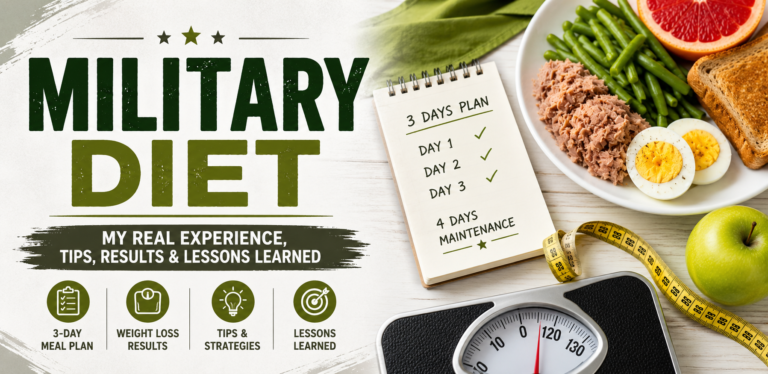
For example, the military diet is a short-term diet plan that some people follow when they want a strict eating structure for a few days. It is very different from the slower, more flexible approach I now prefer.
If you are comparing different weight loss methods, you can also read my full guide on the military diet to understand how it works, what to expect, and what to consider before trying it.
For me personally, the biggest lesson was that quick results are not always the same as sustainable results. A plan only works long term if it fits real life, busy days, social meals, stress, and normal routines.
There is nothing wrong with wanting results, but the method matters. If a plan makes you feel miserable, guilty, or constantly hungry, it may not be the right fit for your lifestyle.
Helpful Apps and Tools That Kept Me Consistent
I did not use anything extreme, but a few simple tools genuinely helped me stay consistent.
MyFitnessPal
I used MyFitnessPal temporarily to understand portion sizes and eating habits. Not forever. Just long enough to become more aware.
For me, tracking was useful as a learning tool, not something I wanted to depend on every single day. It helped me see where extra calories were coming from and which meals kept me full.
Apple Health or Google Fit
Tracking steps made me realize how sedentary some days really were.
When you work at a desk, it is easy to feel busy all day but barely move your body. Seeing my step count helped me add more walking in a realistic way.
I did not need a perfect number every day. I just wanted to be more aware.
A Water Bottle I Actually Liked Using
This sounds ridiculous, but having a large reusable bottle on my desk genuinely improved my water intake.
Sometimes practical changes matter more than complicated strategies. If something makes a healthy habit easier, it is worth using.
Simple Meal Prep Containers
Meal prep does not have to mean cooking every meal for the entire week. For me, it simply meant having a few ready meals or ingredients available.
Cooked rice, grilled chicken, chopped vegetables, boiled eggs, yogurt, or leftovers made busy days easier.
When food was ready, I was less likely to order takeout just because I was tired.
Realistic Weight Loss Tips That Actually Helped Me
If I had to simplify everything I learned, these are the habits I would focus on first:
- Eat more protein with meals
- Walk more, especially after meals
- Drink fewer calories
- Keep healthier snacks available
- Sleep more consistently
- Stop treating one imperfect meal like failure
- Avoid changing everything at once
- Build routines that fit your real schedule
- Choose meals that keep you full
- Stay patient with slower progress
None of these habits are dramatic. That is exactly why they work.
Extreme plans often feel exciting in the beginning, but realistic habits are easier to keep when life gets busy.
What Weight Loss Looks Like for Me Now
The biggest difference today is not just physical.
Food no longer feels stressful. I can go out for dinner without guilt. I can enjoy dessert without spiraling. I can miss workouts without feeling like I failed.
And ironically, that balanced mindset helped me stay more consistent than extreme dieting ever did.
Progress became slower, but far more stable. That is the part many people do not realize at first.
Fast results are exciting. Sustainable results are life-changing.
If you are trying to lose weight right now, you probably do not need a harsher diet. You probably need a plan that still works on tired Tuesdays, stressful Fridays, vacations, birthdays, and busy work weeks.
Because the habits you can repeat are usually the ones that actually stick.
Frequently Asked Questions About Weight Loss Without Extreme Diets
Can I lose weight without following a strict diet?
Yes, many people can lose weight without following a strict diet. Weight loss usually depends on consistent habits like balanced meals, portion awareness, regular movement, better sleep, and reducing unnecessary calories. You do not always need extreme restrictions to make progress.
What is the easiest habit to start with?
One of the easiest habits is reducing liquid calories. Sugary coffees, sodas, juices, and energy drinks can add extra calories without making you feel full. Swapping some of them for water, sparkling water, or unsweetened drinks can be a simple first step.
Do I need to cut out carbs to lose weight?
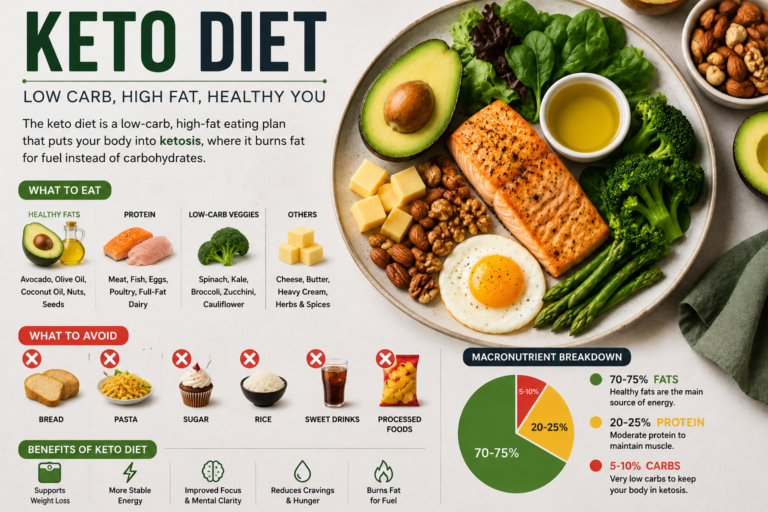
No, you do not need to cut out carbs completely to lose weight. Many people can lose weight while eating rice, potatoes, oats, bread, or pasta in balanced portions. The key is overall consistency and choosing meals that keep you satisfied.
Is walking enough for weight loss?
Walking can definitely help with weight loss, especially when combined with balanced eating. It increases daily movement, supports digestion, improves energy, and is easier to maintain than intense workouts for many people.
Why do extreme diets often fail?
Extreme diets often fail because they are too hard to maintain. They may cause hunger, cravings, low energy, food guilt, and overeating later. A realistic weight loss plan works better when it fits your normal life.
Final Thoughts on Weight Loss Without Extreme Diets
Losing weight does not have to mean starving yourself, cutting out every food you enjoy, or following a routine that makes you miserable.
For me, weight loss became easier when I stopped chasing extreme results and started building habits I could actually repeat. Drinking fewer calories, eating more protein, walking more, sleeping better, and allowing flexibility helped me more than strict dieting ever did.
The goal is not to be perfect.
The goal is to create a routine that supports your health, your energy, your confidence, and your real life.
A healthy weight loss plan should not feel like punishment. It should feel like something you can continue, even when life is busy, stressful, or imperfect.
That is where real progress happens.