Healthy Snacking: Easy Tips and Healthy Snack Ideas for Better Eating
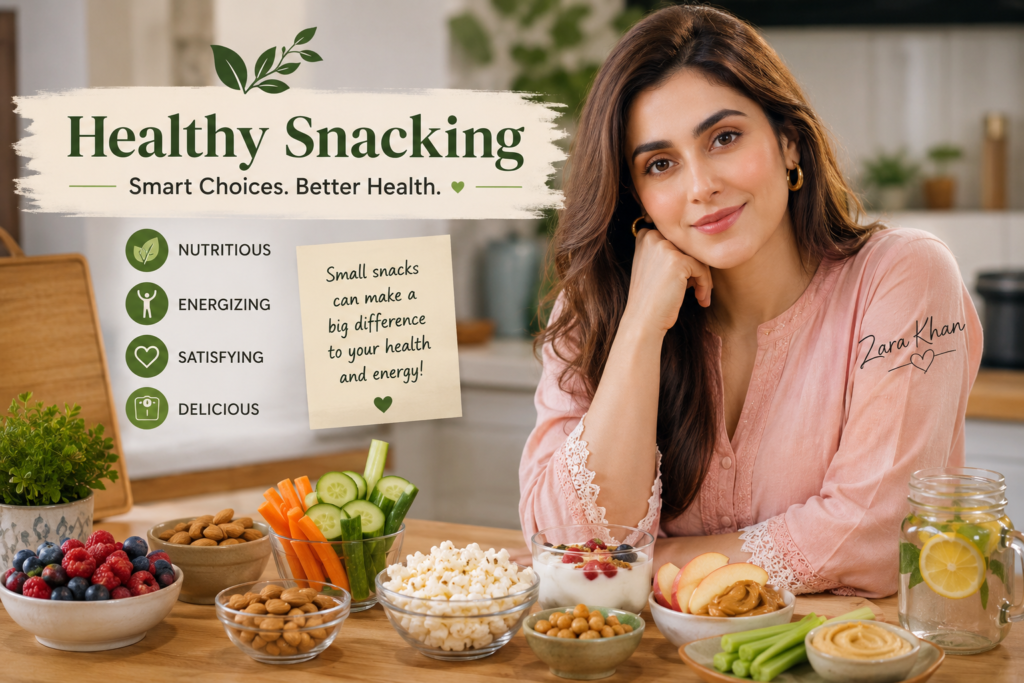
I used to think snacking was the problem. Any time I felt hungry between meals, I assumed I was doing something wrong. But over time, I realized the real issue was not snacking itself. It was what I was snacking on and how often I was reaching for quick, processed foods without thinking.
In many homes today, snacks are part of everyday life. Chips, biscuits, chocolate, fried foods, sweet drinks, and packaged treats are easy to grab, especially when we are tired, busy, stressed, or working from home. The problem is that these snacks often leave us feeling hungry again soon after, and they can make it easier to eat more sugar, salt, and calories than we planned.
Healthy snacking is not about removing all fun from your diet. It is about choosing snacks that give your body something useful, like protein, fiber, healthy fats, vitamins, and minerals. A good snack should help you feel satisfied, support your energy, and make it easier to avoid overeating later in the day.
What Is Healthy Snacking?
Healthy snacking means choosing small meals or light foods between your main meals that actually support your body instead of just filling a craving for a few minutes.
A healthy snack usually has at least one of these:
- Protein to help you feel full
- Fiber to support digestion and steady energy
- Healthy fats to make the snack more satisfying
- Vitamins and minerals from whole foods
- Less added sugar and fewer heavily processed ingredients
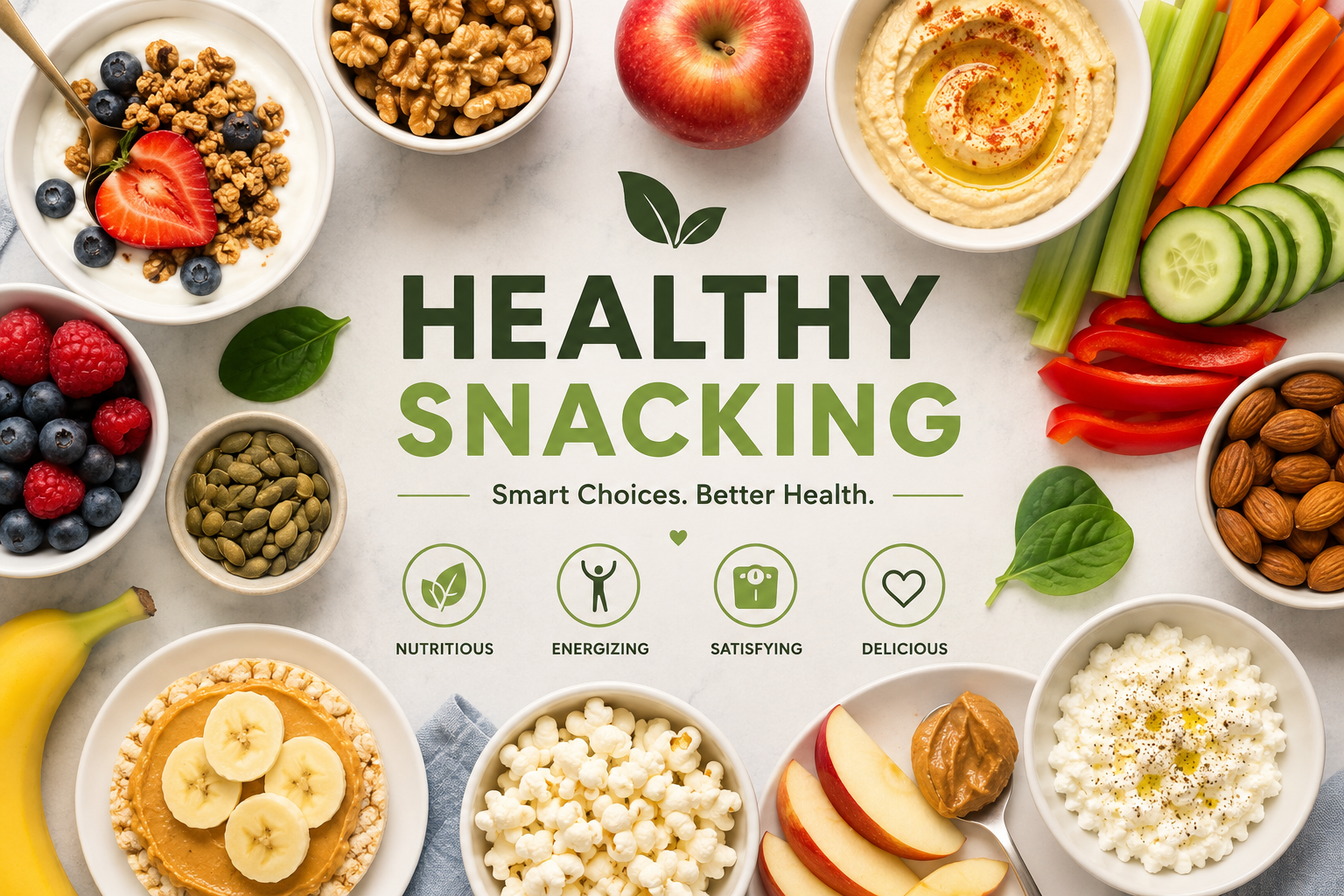
For example, fruit with yogurt, nuts, boiled eggs, hummus with cucumber, or oats with berries can all be simple healthy snacks. They are easy to prepare, taste good, and help you stay on track without feeling deprived.
Why Healthy Snacking Matters
Snacking becomes a problem when it happens constantly and mostly includes junk food. If every craving is answered with chips, sweets, fried snacks, or sugary drinks, it can slowly affect your eating routine.
I have noticed this in my own daily routine too. When I do not plan my snacks, I usually end up choosing whatever is closest. That might be a chocolate bar, biscuits, or something fried. It feels satisfying for a short time, but later I feel tired, heavy, or hungry again.
Healthy snacks can help you:
- Manage cravings in a better way
- Avoid extreme hunger before meals
- Keep your energy more stable during the day
- Add more nutrients to your diet
- Build healthier eating habits slowly
This is especially helpful for people with busy schedules, desk jobs, school routines, or families with growing children who often feel hungry between meals.
How to Build a Healthy Snacking Habit
Healthy snacking becomes much easier when you make it practical. You do not need expensive ingredients or complicated recipes. Small changes in your kitchen and shopping habits can make a big difference.
1. Plan Your Snacks Ahead
One of the easiest ways to avoid junk food is to decide your snacks before you are extremely hungry.
When hunger hits and there is nothing prepared, most of us reach for whatever is available. That is usually chips, candy, muffins, biscuits, or leftover sweets. Planning ahead helps you avoid that last-minute choice.
You can prepare simple snacks like:
- Washed and sliced fruit
- Boiled eggs
- Roasted chickpeas
- Greek yogurt with berries
- Cut vegetables with hummus
- A small portion of nuts
- Whole grain toast with a light spread
Keep them where you can see them. If healthy snacks are easy to reach, you are more likely to choose them.
2. Shop With a Snack List
Before going grocery shopping, make a list of healthy snack options you actually enjoy. This helps you buy useful foods instead of filling the trolley with random packaged snacks.
A simple healthy snack shopping list can include:
- Apples, bananas, berries, oranges, or grapes
- Greek yogurt or plain yogurt
- Cottage cheese
- Eggs
- Nuts and seeds
- Hummus
- Cucumbers, carrots, celery, and bell peppers
- Oats
- Popcorn kernels
- Chickpeas
- Whole grain bread or crackers
- Peanut butter with no added sugar
Shopping with a list also helps reduce impulse buying. When you already have better options at home, it becomes easier to make better choices.
3. Read Food Labels
Some packaged snacks look healthy because the front label says things like “natural,” “low fat,” “high protein,” or “fitness snack.” But the ingredient list can tell a different story.
Before buying packaged snacks, check for:
- Added sugar
- Too much salt
- Artificial flavors
- Long ingredient lists
- Very high calories for a small portion
- Low protein or low fiber
This does not mean every packaged snack is bad. It simply means it is worth checking what you are actually eating.
4. Keep Variety in Your Snacks
Eating the same snack every day can get boring. And when food feels boring, cravings for junk food become stronger.
Try to rotate your snacks during the week. One day you might have yogurt with berries, another day apple slices with peanut butter, and another day roasted chickpeas or popcorn.
Variety keeps healthy eating more enjoyable and realistic.
5. Allow an Occasional Treat
Healthy snacking does not mean you can never eat cake, chocolate, churros, or fried food again. In real life, that kind of strict thinking usually does not last.
Having an occasional treat can actually make healthy eating easier because you do not feel restricted all the time. The goal is balance, not perfection.
A piece of cake at a family gathering or a small chocolate bar once in a while is not the problem. The bigger issue is when treats become the main snack every day.
Healthy Snack Ideas You Can Try
Here are some easy healthy snack ideas that are filling, simple, and realistic for everyday life.
1. Mixed Nuts
Mixed nuts are a quick and nutritious snack. They contain healthy fats, protein, and fiber, which makes them filling.
Because nuts are calorie-dense, a small handful is usually enough. You can also try lightly roasted nuts for extra flavor.
2. Greek Yogurt With Berries
Greek yogurt with berries is creamy, refreshing, and full of flavor. Greek yogurt provides protein, while berries add fiber, vitamins, and antioxidants.
This is a good snack when you want something sweet but still healthy.
3. Fruit With Cottage Cheese
Fruit and cottage cheese make a simple but satisfying snack. Cottage cheese gives you protein, and fruit adds natural sweetness, fiber, and vitamins.
You can try it with pineapple, berries, peaches, apples, or banana slices.
4. Celery Sticks With Cream Cheese
Celery sticks with cream cheese are crunchy, creamy, and easy to prepare. This can be a good low-carb snack when you want something light but filling.
You can also add herbs or black pepper for extra taste.
5. Bell Pepper With Guacamole
Bell peppers are colorful, crunchy, and rich in nutrients. Guacamole adds healthy fats and makes the snack more satisfying.
A sliced bell pepper with a small portion of guacamole is a fresh and tasty option.
6. Apple Slices With Peanut Butter
Apple and peanut butter is one of my favorite simple snack combinations. The apple gives crunch and natural sweetness, while peanut butter adds healthy fats and protein.
Choose peanut butter with no added sugar when possible.
7. Cucumber With Hummus
Cucumber slices with hummus make a light, crunchy, and creamy snack. Hummus contains plant-based protein, fiber, and healthy fats.
This is a great option when you want something savory instead of sweet.
8. Dark Chocolate With Almonds
Dark chocolate with almonds feels like a treat but can still fit into a balanced routine. Dark chocolate has a rich flavor, and almonds add crunch and healthy fats.
Keep the portion small, especially if you are watching your calorie intake.
9. Chia Pudding
Chia pudding is easy to prepare in advance. Chia seeds absorb liquid and turn into a pudding-like texture.
You can mix chia seeds with milk or yogurt and add fruit, cinnamon, or a little honey for flavor. Chia seeds contain fiber, omega-3 fatty acids, and some protein.
10. Boiled Eggs
Boiled eggs are simple, filling, and rich in protein. They are also easy to prepare ahead of time and keep in the fridge.
You can eat them with a little black pepper, cucumber slices, or whole grain toast.
11. Protein Smoothie
A protein smoothie can be a filling snack, especially after a workout or during a busy day.
You can blend yogurt, milk, banana, berries, oats, or a protein powder if you use one. Keep it simple and avoid adding too much sugar.
12. Oats
Oats are affordable, filling, and easy to customize. They contain fiber and can be used in many snack recipes.
You can make a small bowl of oatmeal and top it with fruit, cinnamon, nuts, or yogurt.
13. Popcorn
Plain popcorn can be a light and fiber-rich snack when it is not loaded with butter, sugar, or too much salt.
You can flavor it with a little olive oil, garlic powder, black pepper, or parmesan cheese.
14. Roasted Chickpeas
Roasted chickpeas are crunchy, tasty, and full of plant-based protein and fiber.
You can season them with paprika, garlic powder, black pepper, or a little salt. They are a great alternative to chips when you want something crunchy.
15. Flavored Water
Sometimes we mistake thirst for hunger. Before reaching for a snack, try drinking water first.
You can add lemon, cucumber, mint, or berries to plain or sparkling water for flavor. This is a much better option than sugary drinks.
16. Whole Grain Bread With a Light Spread
Whole grain bread with a light spread can be a filling snack. You can use low-fat cream cheese, cottage cheese, avocado, hummus, or peanut butter.
Whole grains provide fiber, which helps the snack feel more satisfying.
17. Fresh Fruit Salad
A bowl of fresh fruit salad is colorful, refreshing, and naturally sweet. You can mix apples, oranges, berries, grapes, kiwi, or melon.
For extra flavor, add mint, cinnamon, or a spoon of yogurt.
Final Thoughts on Healthy Snacking
The next time a craving hits, try to pause for a moment before reaching for the usual processed snack. Ask yourself what your body actually needs. Are you hungry, tired, thirsty, bored, or stressed?
Healthy snacking is not about being perfect. It is about making better choices most of the time. Swapping candy bars, muffins, chips, and sugary drinks with fruits, nuts, yogurt, hummus, oats, or whole grain snacks can slowly improve your eating habits.
Small changes matter. When healthy snacks are planned, available, and enjoyable, it becomes much easier to stay consistent with a balanced lifestyle.