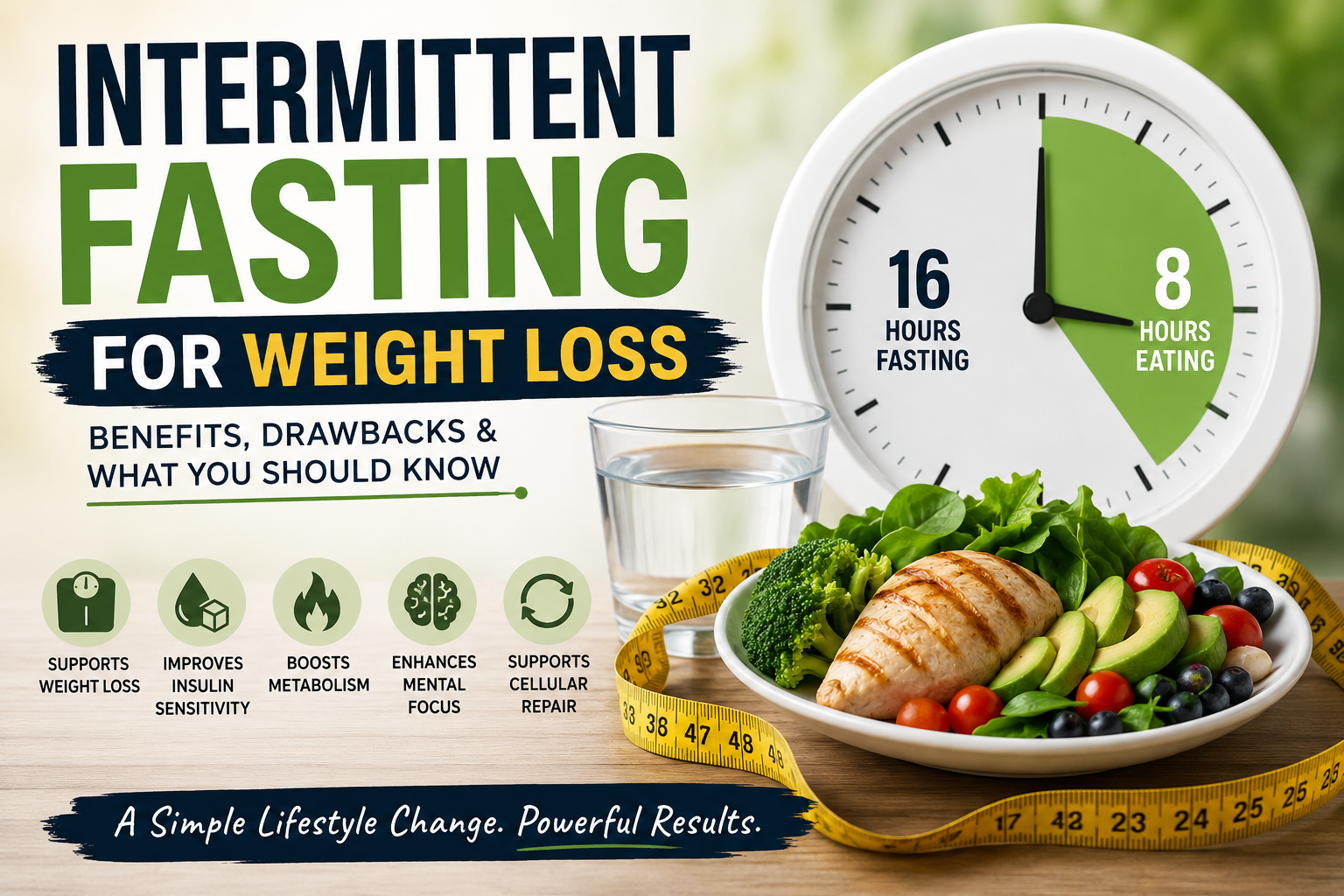
Intermittent Fasting for Weight Loss: 7 Powerful Benefits and Drawbacks
Intermittent Fasting for Weight Loss: 7 Powerful Benefits and Drawbacks
Intermittent fasting for weight loss has become one of those topics that almost everyone has heard about. Some people describe it like a miracle routine, while others try it for a few days and decide it is too difficult to continue.
The truth is somewhere in the middle.
Intermittent fasting can be a helpful tool for weight loss, better eating discipline, and a more structured daily routine, but it is not magic. It works best when it is combined with balanced meals, enough protein, proper hydration, good sleep, and a realistic lifestyle.
Fasting alone does not automatically make someone healthy. What you eat during your eating window still matters. If you fast for many hours and then eat mostly processed food, sugary snacks, and oversized portions, the results may not be what you expected.
In this article, we will go through what intermittent fasting is, how the popular 16/8 intermittent fasting method works, its possible benefits, its drawbacks, and whether it is suitable for everyone.
This post is for general information only. If you have a medical condition, take medication, are pregnant, breastfeeding, underweight, or have a history of eating disorders, it is better to speak with a healthcare professional before trying intermittent fasting.
What Is Intermittent Fasting?
Intermittent fasting is an eating pattern where you alternate between periods of eating and periods of fasting. Instead of focusing only on what you eat, it also focuses on when you eat.
During the fasting window, you avoid calorie-containing foods and drinks. During the eating window, you eat your meals within a set period of time.
The main idea behind intermittent fasting is to give your body a longer break between meals. This may help some people reduce unnecessary snacking, control calorie intake, and become more mindful of their eating habits.
For many people, this structure can support weight loss because it naturally limits the time available for eating. However, the quality of food still matters.
Fasting for 16 hours and then eating mostly processed food during the eating window will not give the same results as eating balanced, nutrient-rich meals. Intermittent fasting should support your routine, not become an excuse to ignore nutrition.
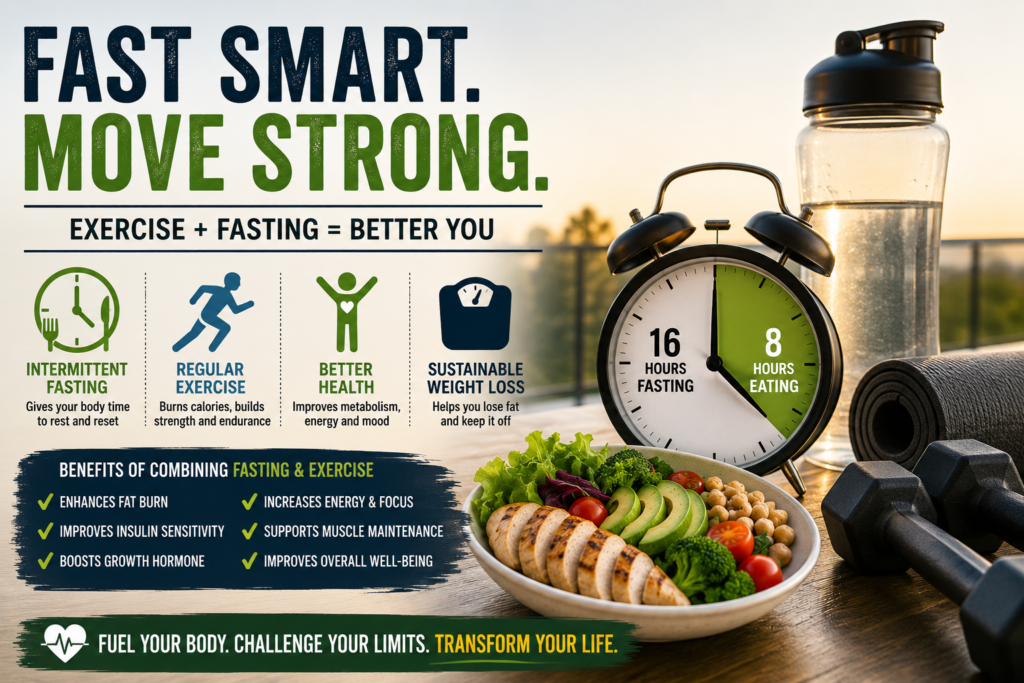
How the 16/8 Intermittent Fasting Method Works
One of the most common and practical types of intermittent fasting is the 16/8 method.
In this method, you fast for 16 hours and eat during an 8-hour window. For example, you may eat between 12 p.m. and 8 p.m., then fast from 8 p.m. until 12 p.m. the next day.
This method is popular because a large part of the fasting period happens while you are sleeping. That makes it easier for many people to follow compared to stricter fasting plans.
During the fasting window, you should avoid calories. Water is the best option. Some people also drink black coffee, plain tea, or green tea without sugar or milk.
During the eating window, it is better to focus on meals that include:
- Lean protein
- Vegetables
- Whole grains
- Healthy fats
- Fruits
- Enough water
You do not need to eat perfectly every single day, but most of your meals should support your health and weight loss goals. Occasional flexible meals are fine, as long as they do not turn into overeating every day.
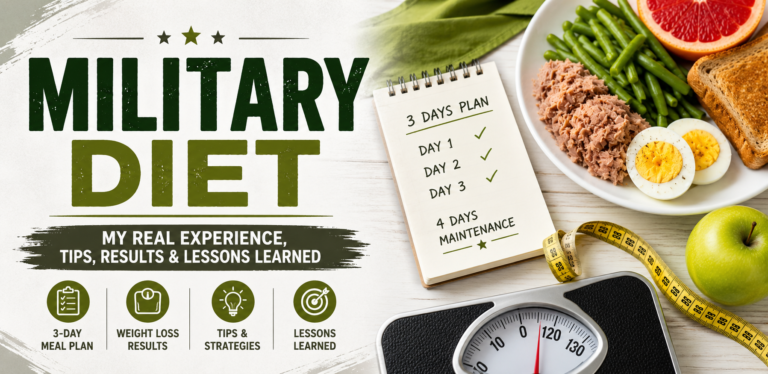
If you are comparing different weight loss approaches, you may also want to read my guide on the Military Diet, where I explain how that short-term diet works and why it may not be suitable for everyone.
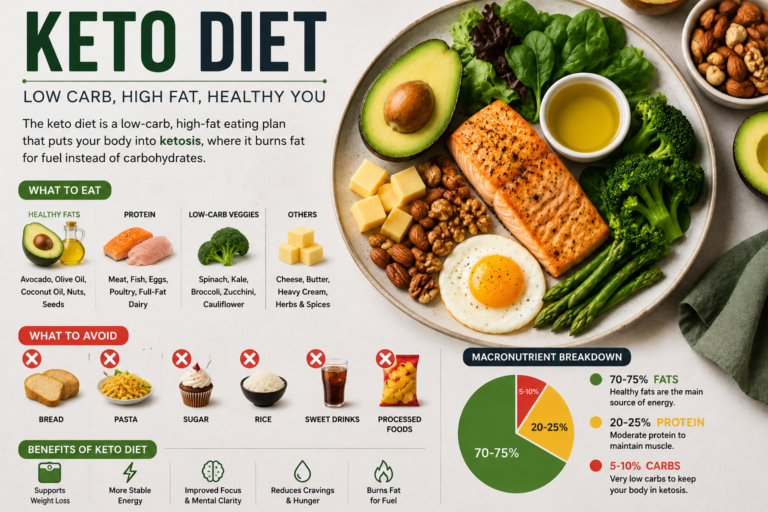
If you prefer a lower-carb approach instead of fasting, you can also read my post on the Keto Diet, which explains the basics of keto, common mistakes, and what beginners should know before trying it.
Benefits of Intermittent Fasting
Intermittent fasting benefits can vary from person to person. Some people feel more in control of their eating routine, while others find it difficult to manage hunger. Here are some of the main benefits people often experience.
1. It May Support Weight Loss
The biggest reason people try intermittent fasting is weight loss. By reducing the eating window, many people naturally eat fewer calories without counting every bite.
When your body goes several hours without food, it uses stored energy. Over time, if you are also eating the right amount of calories, this can help with fat loss.
However, intermittent fasting only works for weight loss if you do not overeat during the eating window. The fasting schedule helps, but your overall food choices still matter.
For example, if someone skips breakfast but then eats very large portions, sugary drinks, and snacks late at night, the fasting window may not create a calorie deficit. On the other hand, if fasting helps reduce late-night snacking and unnecessary eating, it can become a useful weight loss tool.
2. It May Improve Insulin Sensitivity
Intermittent fasting may help improve insulin sensitivity in some people. Insulin is a hormone that helps your body manage blood sugar levels.
When you are eating frequently throughout the day, your body is often busy processing food. A fasting window gives your body a break from constant digestion and may support healthier blood sugar control for some people.
This can be especially important for people who are at risk of type 2 diabetes. However, anyone with diabetes or blood sugar issues should speak with a doctor before trying intermittent fasting, especially if they take medication.
Fasting while taking certain medications can cause blood sugar to drop too low, so this is not something to guess about.
3. It May Help Reduce Inflammation
Some research suggests that intermittent fasting may help lower inflammation and oxidative stress in the body. Inflammation is linked with several health concerns, including heart disease, obesity, and metabolic problems.
This does not mean fasting can cure disease, but it may support better overall health when combined with a balanced lifestyle.
A healthy fasting routine should still include nutritious meals, regular movement, enough sleep, and stress management. Fasting is only one part of the bigger picture.
4. It May Support Cellular Repair
Fasting may encourage a natural process called autophagy. This is when the body breaks down and recycles old or damaged cell parts.
Autophagy is often discussed as one of the interesting benefits of fasting. However, it is important to understand that research is still ongoing, and fasting should not be treated as a guaranteed way to prevent serious diseases.
Still, giving your body regular breaks from constant eating may support natural repair processes. The key is to keep expectations realistic and avoid treating intermittent fasting like a cure-all solution.
5. It Can Improve Eating Discipline
One underrated benefit of intermittent fasting is structure. Many people struggle with random snacking, late-night eating, or eating out of boredom.
Having a clear eating window can make food decisions simpler. You know when you are eating and when you are not. This can help reduce mindless snacking and make weight loss feel more organized.
For example, if you often snack late at night while watching TV, setting a fasting window after dinner may help you create a clear stopping point. That small routine change can make a big difference over time.
6. It May Help With Blood Pressure and Metabolic Health
For some people, intermittent fasting may help improve markers linked with metabolic health, such as blood pressure, cholesterol, and blood sugar. These benefits are often connected to weight loss and healthier eating habits.
If intermittent fasting helps you lose excess weight, eat fewer processed foods, and build a better routine, it may also support your heart health.
However, fasting should not replace medical care. If you have high blood pressure, cholesterol issues, diabetes, or another health condition, you should continue following advice from your healthcare provider.
7. It May Improve Your Sleep Routine
Late-night eating can affect digestion and sleep quality for some people. Intermittent fasting may help create a better eating schedule by encouraging you to finish meals earlier in the evening.
When your eating routine becomes more consistent, your body’s natural rhythm may also improve. Better sleep can also support weight loss because poor sleep often increases hunger and cravings.
If you usually eat very late, you do not need to change everything overnight. Even finishing dinner one hour earlier can be a helpful start.
Drawbacks of Intermittent Fasting
Intermittent fasting has benefits, but it is not suitable for everyone. Some people feel great with it, while others feel tired, irritated, or overly restricted.
Before trying intermittent fasting for weight loss, it is important to understand the possible drawbacks too.
1. It Can Be Difficult to Follow
At the beginning, intermittent fasting can feel challenging. Hunger, low energy, headaches, mood swings, and irritability are common for some people while their body adjusts.
If you have a busy routine, long work hours, family responsibilities, or high stress, fasting may feel even harder. It takes patience and flexibility.
Some people adjust within a few days, while others never feel comfortable with it. That does not mean they failed. It simply means their body or lifestyle may need a different approach.
2. It Can Lead to Overeating
One common mistake is eating too much during the eating window because you feel very hungry after fasting.
If fasting makes you overeat large portions, snack heavily, or choose high-calorie foods, it may not help with weight loss. In some cases, it can even lead to weight gain.
The goal is not to “reward” yourself after fasting. The goal is to eat balanced meals that satisfy you.
A simple way to avoid overeating is to break your fast with a proper meal that includes protein, fiber, and healthy fats instead of starting with sugary snacks or fast food.
3. It May Cause Nutrient Gaps
If you are eating fewer meals, those meals need to be nutritious. A poor diet during intermittent fasting can lead to low intake of protein, vitamins, minerals, and fiber.
This may cause tiredness, weakness, poor focus, or cravings. That is why meal quality is just as important as fasting hours.
Try to include real, filling foods during your eating window. Vegetables, eggs, fish, chicken, beans, lentils, yogurt, fruits, oats, nuts, seeds, and whole grains can all support a healthier fasting routine.
4. It Can Affect Focus and Mood
Some people feel less focused during fasting, especially in the beginning. This can happen if you are not eating enough during your eating window, not drinking enough water, or not getting enough sleep.
If fasting makes you feel constantly weak, dizzy, or unable to function properly, it may not be the right approach for you.
A healthy weight loss routine should support your life. It should not make your work, studies, workouts, or daily responsibilities harder every day.
5. Weight Can Return If Old Habits Come Back
Intermittent fasting is not a permanent solution by itself. If you lose weight while fasting but return to overeating later, the weight can come back.
This is why it is better to treat intermittent fasting as a lifestyle tool, not a temporary crash diet. Long-term weight loss depends on habits you can actually maintain.
Instead of asking, “How fast can I lose weight?” it is better to ask, “Can I follow this routine without feeling miserable?”
Is Intermittent Fasting a Lifestyle or a Diet?
Intermittent fasting is often called a lifestyle because it is more about timing than strict food rules. You are not necessarily cutting out entire food groups. Instead, you are creating a routine around your meals.
That said, it should still be flexible. You do not need to follow the same fasting schedule forever. Once you reach your weight loss goal, you may adjust your eating window, fast fewer days per week, or use a different method that fits your lifestyle better.
For example, some people follow the 16/8 method daily, while others fast only a few days a week. Some try the 5:2 method, where they eat normally for five days and reduce calories on two days.
The best routine is the one you can follow without feeling stressed, deprived, or unhealthy.
Intermittent fasting is not the only way to lose weight. Some people prefer calorie tracking, balanced portion control, strength training, or lower-carb eating. The right choice depends on your routine, health, food preferences, and how your body responds.
Is Intermittent Fasting Suitable for Everyone?
No, intermittent fasting is not suitable for everyone.
You should speak with a healthcare professional before trying intermittent fasting if you:
- Have diabetes or blood sugar problems
- Take medication that requires food
- Are pregnant or breastfeeding
- Have a history of eating disorders
- Are underweight
- Have a serious medical condition
- Are a teenager or still growing
- Do intense training or athletic performance work
Athletes and highly active people may find fasting difficult because their bodies need enough fuel for performance, strength, and recovery.
It is important to listen to your body. A weight loss method should support your health, not make you feel weak or miserable.
Beginner Tips for Intermittent Fasting
If you are new to intermittent fasting, you do not have to start with a strict 16-hour fast immediately. You can begin slowly and see how your body responds.
Here are a few beginner-friendly tips:
- Start with a 12-hour fasting window before trying 16/8.
- Drink enough water during the fasting window.
- Do not skip protein during your eating window.
- Avoid breaking your fast with very sugary foods.
- Keep your meals balanced and filling.
- Stop fasting if you feel dizzy, weak, or unwell.
- Be flexible on busy or stressful days.
The goal is not to suffer through hunger. The goal is to build a routine that helps you eat with more awareness and consistency.
Final Thoughts
Intermittent fasting can be a useful weight loss strategy for some people, especially those who struggle with late-night eating, frequent snacking, or lack of meal structure. It may also support better blood sugar control, improved eating discipline, and healthier daily habits.
But it is not a magic shortcut. You still need balanced meals, enough protein, hydration, sleep, and consistency.
The most important thing is to choose a routine that fits your body, lifestyle, health condition, and weight loss goals. What works well for one person may not work for another, and that is completely normal.
Intermittent fasting can be helpful, but it should never feel like punishment. A healthy routine is one you can continue without harming your energy, mood, or relationship with food.
Frequently Asked Questions About Intermittent Fasting
1. Is intermittent fasting good for weight loss?
Intermittent fasting can help with weight loss if it helps you eat fewer calories and reduce unnecessary snacking. However, it only works well when your eating window includes balanced meals and reasonable portions.
2. What is the best intermittent fasting method for beginners?
The 16/8 method is one of the most popular methods for beginners because it is simple and easier to fit into daily life. However, some people may prefer starting with a 12-hour fast before moving to a longer fasting window.
3. Can I drink coffee during intermittent fasting?
Yes, many people drink black coffee during the fasting window. Just avoid adding sugar, milk, cream, or flavored syrups because they contain calories and may break your fast.
4. What should I eat after fasting?
It is better to break your fast with a balanced meal that includes protein, fiber, healthy fats, and water. Eggs, yogurt, chicken, fish, lentils, vegetables, oats, fruits, and whole grains are good options.
5. Can intermittent fasting cause weight gain?
Yes, it can cause weight gain if you overeat during the eating window. Fasting does not cancel out excessive calories. Portion control and food quality still matter.
6. Is intermittent fasting safe for everyone?
No, intermittent fasting is not suitable for everyone. People with diabetes, blood sugar issues, pregnancy, breastfeeding, eating disorder history, serious medical conditions, or medication needs should speak with a healthcare professional first.
7. How long does it take to see results from intermittent fasting?
Results vary from person to person. Some people notice changes in appetite and routine within a few weeks, while weight loss depends on calorie intake, food quality, activity level, sleep, and consistency.
8. Can I exercise while intermittent fasting?
Some people can exercise while fasting, but others may feel weak or low on energy. If you do intense workouts, strength training, or athletic training, make sure you are eating enough to support performance and recovery.
9. Is intermittent fasting better than the keto diet?
Intermittent fasting and the keto diet are different approaches. Intermittent fasting focuses on when you eat, while keto focuses more on reducing carbohydrates. The better option depends on your lifestyle, health needs, and what you can follow safely.
10. Is intermittent fasting the same as a crash diet?
No, intermittent fasting is not the same as a crash diet when done properly. It should be a structured eating routine, not a way to starve yourself. A healthy fasting routine should still include enough calories, protein, nutrients, and hydration.