Keto Diet: What Actually Happened When I Tried It for Real

Keto Diet: What Actually Happened When I Tried It for Real
few years ago, I reached a point where my energy levels felt completely off. I was living a pretty sedentary lifestyle, sitting for long hours, eating whatever was quick, and constantly feeling hungry even after meals. My weight slowly crept up without me noticing. I wasn’t looking for some dramatic transformation or “lose 10 kilos in a week” type of plan. I just wanted to stop feeling tired all the time.
That’s when I first started hearing about the keto diet.
At first, I honestly thought it sounded strange. Eating more fat to lose weight? Cutting bread, rice, and even fruit? It sounded backwards. But after seeing a friend stick with it for months and actually feel better, I decided to try it myself.
This article is not about hype or extreme promises. It’s simply what I learned from actually doing keto in real life — the good parts, the annoying parts, the mistakes, and what made it finally work for me.
What Is the Keto Diet?
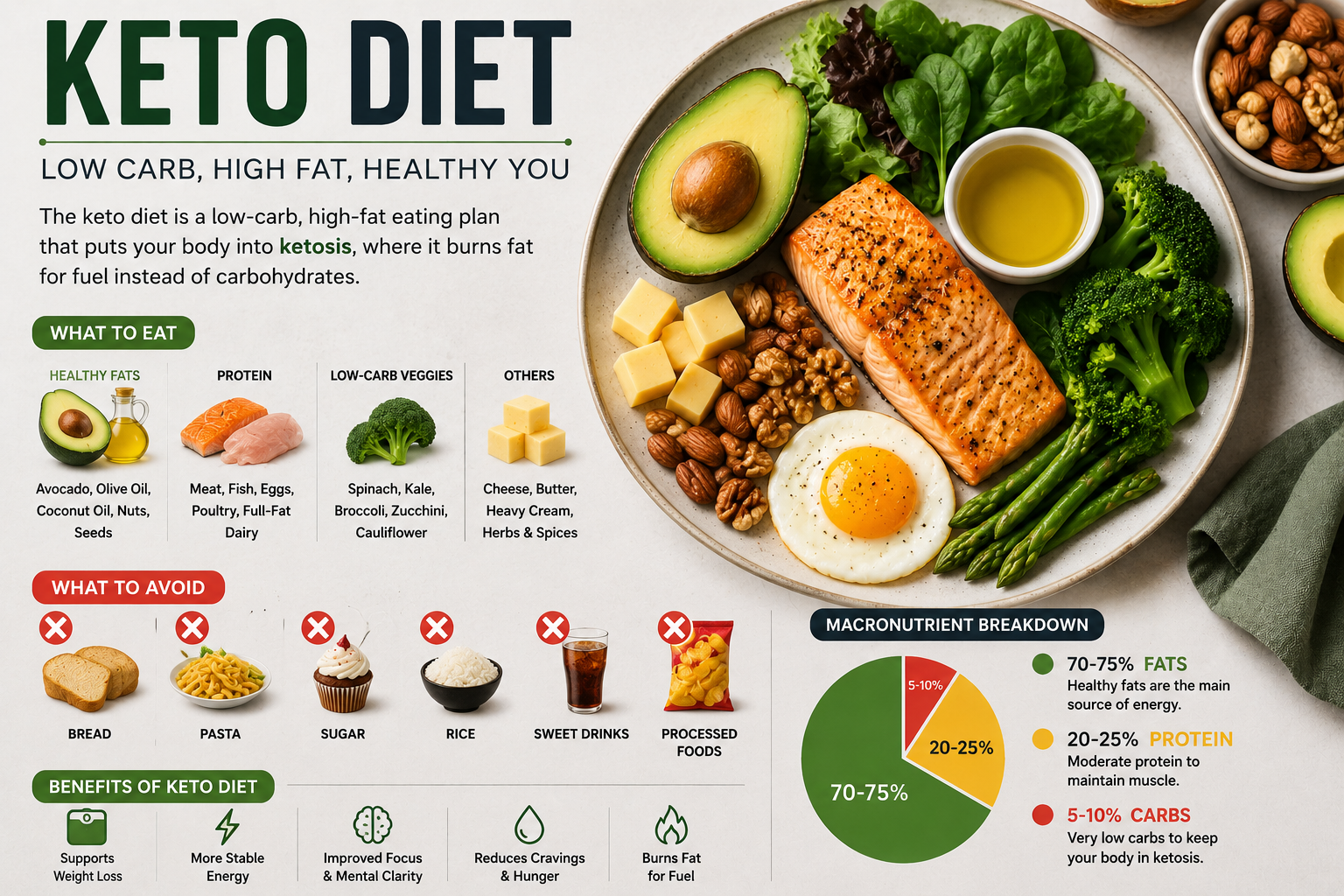
The keto diet, short for ketogenic diet, is a low-carb, high-fat eating style designed to shift your body into something called ketosis.
Normally, your body uses carbohydrates as its main fuel source. When you eat bread, rice, pasta, sugar, or snacks, your body turns those carbs into glucose for energy.
On keto, carbs are kept very low, usually around 20–50 grams per day. Since the body no longer gets enough carbs for fuel, it starts burning fat instead.
That’s the basic idea.
A typical keto plate usually includes:
- Eggs
- Chicken
- Fish
- Cheese
- Avocados
- Nuts
- Olive oil
- Butter
- Low-carb vegetables
And it limits foods like:
- Bread
- Pasta
- Rice
- Sugary drinks
- Candy
- Most baked snacks
When I first started, the hardest part wasn’t avoiding sugar. It was realizing how many everyday foods are loaded with carbs without us thinking about it.
Why I Tried Keto in the First Place
For me, the biggest issue wasn’t just weight gain. It was constant snacking.
I’d eat lunch, sit at my desk for hours, and suddenly want chips or chocolate by 3 p.m. My energy would crash, then coffee became the solution.
That cycle repeated almost every day.
A sedentary lifestyle quietly makes things worse because you move less while still eating like you’re active.
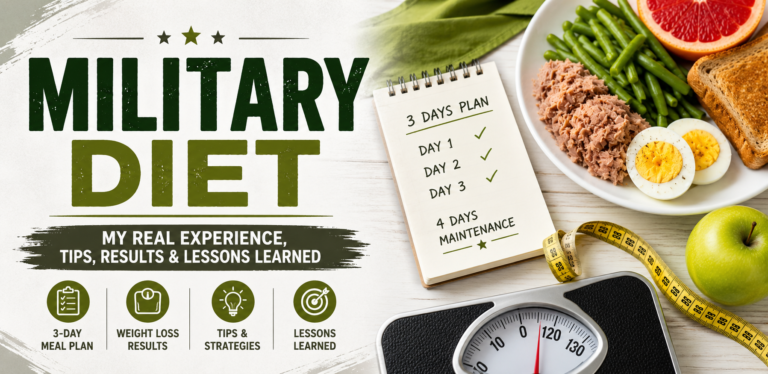
I had also tried short-term eating plans before, including something similar to the military diet, but I noticed I always went back to old habits afterward.
Keto felt different because it focused more on changing how I ate rather than simply eating less for a few days.
The First Week Was Honestly Rough
I wish someone had warned me properly about this part.
The first few days felt weird.
I had headaches, low energy, and felt mentally foggy. Some people call this the “keto flu.” It’s usually temporary, but it can definitely make you want to quit.
My biggest mistake was cutting carbs too fast without drinking enough water or getting enough electrolytes.
Once I increased:
- Water intake
- Salt
- Potassium-rich foods
- Magnesium
things improved a lot, by the second week, my appetite started changing. I wasn’t thinking about snacks constantly anymore. That surprised me the most.
What I Actually Ate on Keto
One thing that helped me stick with keto was keeping meals simple. I stopped trying to make complicated “Instagram keto recipes” every day.
Here’s what my regular meals looked like.
Breakfast
Usually eggs cooked in butter with avocado or cheese.
Sometimes Greek yogurt with nuts if I wanted something quick.
Lunch
Grilled chicken or salmon with salad and olive oil dressing.
Very simple.
Dinner
Beef, chicken, or fish with vegetables like broccoli, zucchini, cauliflower, or spinach.
Snacks
- Almonds
- Cheese cubes
- Boiled eggs
- Peanut butter
- Cucumbers
I also learned quickly that “keto snacks” sold online are often overpriced and unnecessary.
Whole foods worked better for me.
What Changed After a Few Weeks
After about three weeks, I noticed several things.
Less Hunger
This was probably the biggest benefit for me. I stopped constantly thinking about food.
Instead of needing snacks every few hours, I could eat proper meals and feel satisfied longer.
More Stable Energy
The afternoon crash became less intense. I wasn’t magically full of energy all day, but things felt steadier.
Easier Portion Control
When you remove highly processed foods and sugar, you naturally stop overeating as much.
At least that’s what happened for me.
Weight Loss
Yes, I lost weight.
But honestly, the bigger win was consistency.
Keto helped me become more aware of what I was eating instead of mindlessly snacking while working or watching videos.
Common Keto Mistakes I Made
I made plenty of mistakes in the beginning.
Here are the biggest ones.
1. Eating Too Much Cheese
This sounds funny, but it happens a lot.
I thought keto meant unlimited cheese and bacon.
Technically low-carb? Yes.
Helpful in huge amounts? Not really.
Too much heavy food made me sluggish.
2. Forgetting Vegetables
Some people treat keto like an all-meat diet.
That didn’t work well for me.
Low-carb vegetables helped digestion and made meals feel balanced.
3. Not Reading Labels
Sugar appears in unexpected places:
- Sauces
- Protein bars
- Flavored yogurt
- Salad dressings
- “Healthy” snacks
I started checking labels more carefully after accidentally eating way more carbs than expected.
4. Expecting Fast Results Every Day
Weight naturally fluctuates.
Some weeks I lost weight. Other weeks I didn’t.
That doesn’t mean the process stopped working.
5. Not Moving Enough
Keto alone isn’t magic.
If your entire day is sitting, scrolling, and barely moving, progress becomes harder.
Even short walks made a difference for me.
Simple Tips That Made Keto Easier
If someone asked me how to start keto without feeling overwhelmed, I’d suggest these practical steps.
Start With One Meal First
Instead of changing everything overnight, begin by making one daily meal low-carb.
That feels much more manageable.
Keep Easy Foods Ready
The days I failed most were the days I had no food prepared.
Keeping simple foods ready helped a lot:
- Eggs
- Chicken
- Nuts
- Cheese
- Salad ingredients
Convenience matters more than people admit.
Drink More Water Than You Think
Low-carb eating changes water balance in the body.
Hydration matters more than I expected.
Don’t Obsess Over Perfection
One high-carb meal doesn’t ruin everything.
The all-or-nothing mindset is what usually causes people to quit.
Focus on Routine, Not Motivation
Motivation disappears quickly.
Simple routines matter more.
I noticed that when my sleep, meal timing, and movement improved, keto became much easier to maintain.
Is Keto Good for Everyone?
Honestly, no.
Some people feel amazing on keto.
Others struggle with it.
I personally found it helpful for reducing cravings and improving eating habits, but that doesn’t mean everyone needs to avoid carbs forever.
Some people do better with moderate carbs, balanced diets, or other approaches entirely.
The biggest lesson I learned is this:
The “best diet” is usually the one you can realistically stick to without making your life miserable.
What Happened When I Stopped Doing Strict Keto
This part matters.
After several months, I slowly added some carbs back into my routine:
- Oats
- Fruits
- Rice occasionally
But because keto had already changed my eating habits, I didn’t go back to constant junk food and late-night snacking.
That was probably the real benefit.
It taught me awareness.
I started noticing how certain foods affected my energy, hunger, and focus instead of eating automatically.
My Honest Thoughts After Trying Keto
Keto isn’t some magical shortcut.
But it can be a useful structure for people who struggle with overeating, cravings, or mindless snacking.
What surprised me most wasn’t the weight loss.
It was how much my daily habits mattered.
The biggest changes came from:
- Eating more real food
- Reducing processed snacks
- Moving more often
- Drinking enough water
- Sleeping better
- Breaking the cycle of constant sugar cravings
That combination made the real difference.
If you’re curious about keto, my advice is simple:
Start slowly, keep expectations realistic, and pay attention to how your body actually feels instead of chasing internet hype.
Because the people who usually succeed with health goals aren’t the ones doing everything perfectly.
They’re the ones who find a routine they can actually live with.